
While there are over 400 different dog breeds, only 73 different cat breeds are recognized by The International Cat Association (TICA). This is because the gene pool for cats is much smaller. While many individuals purchase their dogs from a breeder, only about 2% of cats are purebred. According to Dr. Liza Cahn, a veterinarian at Embrace Pet Insurance, “Unless you get a cat through a breeder or a breed-specific rescue, chances are your cat may be a domestic shorthair or domestic longhair.” In fact, domestic breeds account for 90 to 95 percent of cats, with the Cat Fanciers Association (CFA) reporting that pedigreed breeds make up less than 5% of pet cats across the world.
Pedigreed breeds make up less than 5% of pet cats across the world.
Because cats are so unique, even among littermates, it can be difficult to determine exactly what type of cat you have. However, there are some clues that you can gather from your cat’s physical characteristics and personality that can help you narrow down what breed of cat you have.
Determining Your Cat’s Breed: Traits to Look For
Size
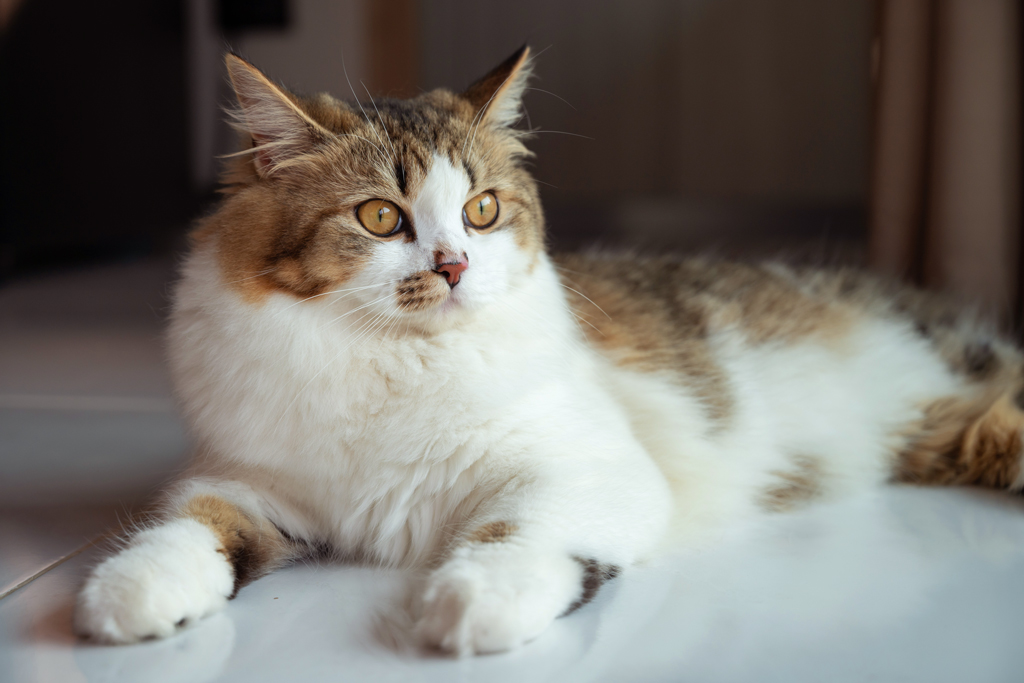
Dr. Liza Cahn says that “your cat’s size and weight may provide clues to their ancestry.” Most cats fall into the medium-size category, meaning that they are between 9 and 15 pounds. If your cat is above or below this range, it can be helpful in determining breed. Small-size cats, or those that weigh below 9 pounds, include the Munchkin, Devon Rex, Siamese, and Burmese. Cats that regularly weigh over 15 pounds include the Maine Coon, Ragamuffin, and Ragdoll.
| Cat Size | Possible Breeds |
| Small (less than 9 pounds) | Munchkin, Devon Rex, Siamese, Burmese, Bambino, Cornish Rex, Japanese Bobtail, American Curl, Tonkinese |
| Medium (9-15 pounds) | Himalayan, Persian, Manx, Scottish Fold, Sphynx, Bombay, Abyssinian, American Curl, Bengal, American Shorthair |
| Large (over 15 pounds) | Maine Coon, Ragamuffin, Ragdoll, Norwegian Forest, Savannah |
Body Type
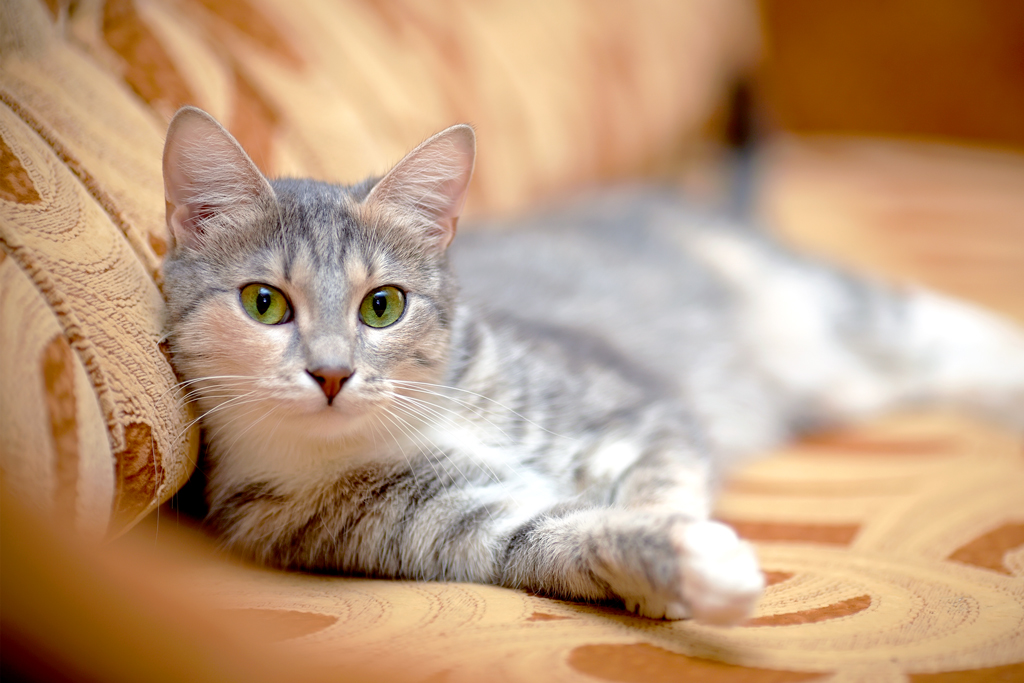
Your cat’s body type can also be an indicator of their breed. A few main body types for cats include cobby, foreign, and skinny. A cat with a cobby body type has broad shoulders and a round head with a shorter tail. They tend to be shorter and appear more muscular. Examples of cobby breeds of cats include the Persian, Burmese, Manx, and Himalayan. Cats with a foreign body type are slender with a long tail. They usually have a more triangular face shape and include the Russian Blue, Japanese Longtail, and Abyssinian. Skinny cat breeds have lean, slender bodies with long tails. Cornish Rex, Siamese, and Balinese are among the more common skinny cat breeds.
| Body Type | Possible Breeds |
| Cobby | Persian, Burmese, Manx, Himalayan, American Shorthair, British Shorthair, Foldex |
| Foreign | Russian Blue, Japanese Longtail, Abyssinian, Turkish Angora, Ocicat, Somali |
| Skinny | Cornish Rex, Siamese, Balinese, Oriental Shorthair, Javanese |
Head Shape
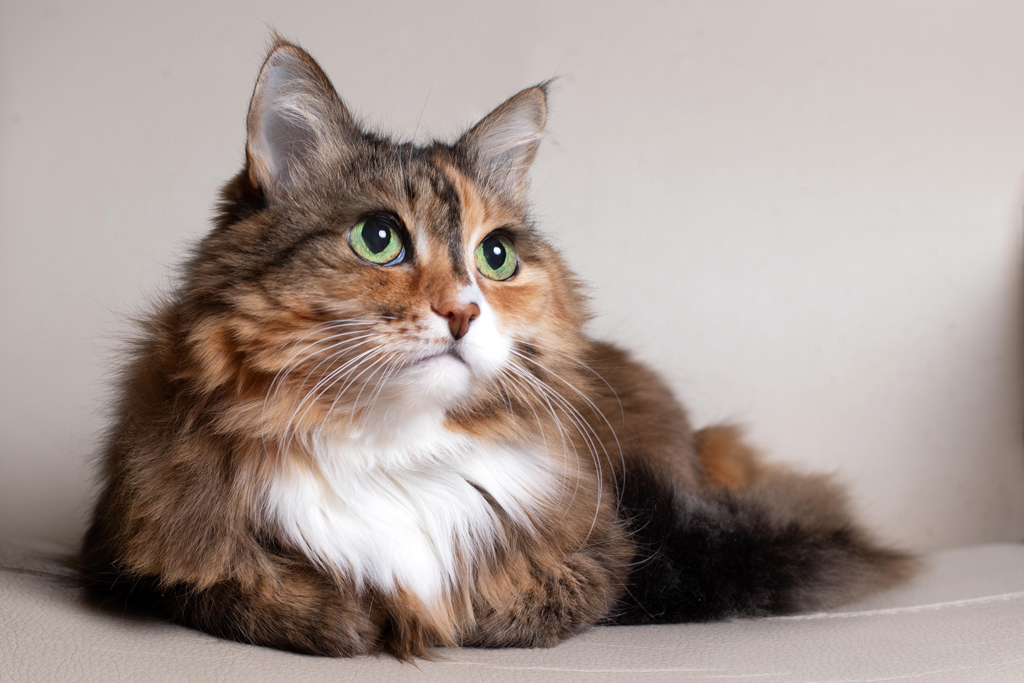
Although head shape isn’t always a clear indicator of cat breed, it can be a helpful indicator for cats with especially narrow or flat faces. Persians, Himalayans, Scottish Folds, and Munchkins tend to have flat faces. Breeds like the Siamese and Cornish Rex typically have more narrow faces with defined features.
Why Determine Your Cat’s Breed
While it can be fun to know what breed or breeds comprise your cat’s genetic makeup, it can also provide you with insight into their health. Certain breeds are more prone to health issues, and this is especially true in purebred cats due to genetic mutations. Brachycephalic cats, or cats with flat faces, are more susceptible to developing respiratory issues like brachycephalic airway syndrome (BAS), dental issues, and skin infections. Common types of brachycephalic cats include Persians, Himalayans, and Burmese. Some cat breeds are also more prone to developing hypertrophic cardiomyopathy (HCM), which involves a thickening of the heart muscle that decreases the heart’s ability to pump blood effectively, leading to lethargy, difficulty breathing, and loss of appetite. This condition is most common in Bengals, Maine Coons, Ragdolls, and Sphynxes.
While it might seem overwhelming to know that your cat’s breed puts that at risk for certain health problems, it can help you to learn how to identify early signs of disease and be more proactive in their care. However, Dr. Liza Cahn stresses that it isn’t necessary: “While knowing your cat’s breed can satisfy your curiosity and help you make informed medical decisions, it is not required. Most cats are mixed breeds, so determining an exact breed can be challenging, even with the methods listed above. Focusing on your cat’s individual characteristics and providing them with essential resources, enrichment, a balanced diet, and routine veterinary care are all important regardless of breed.”