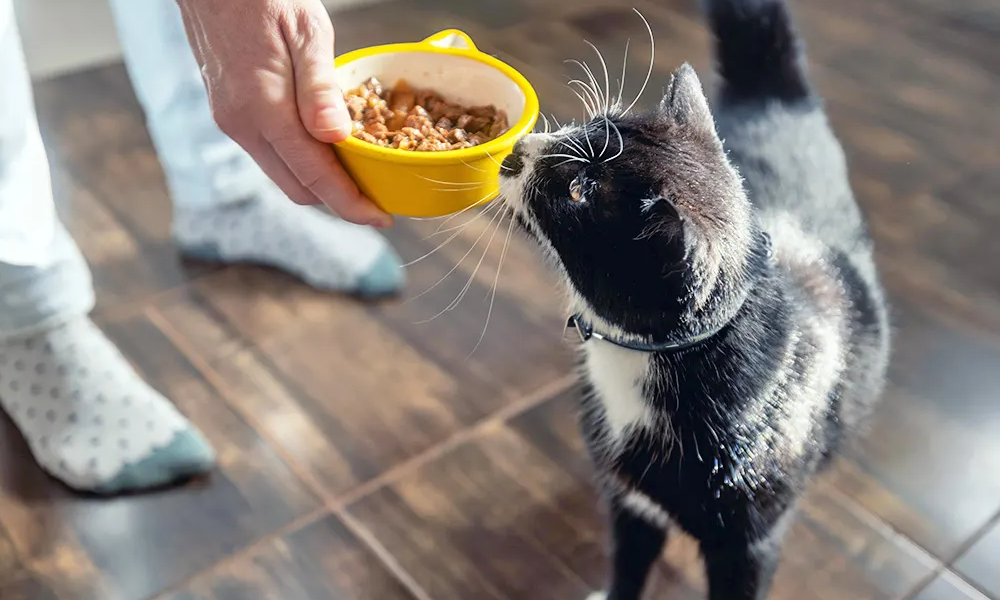

Wet cat food can be a great divider of both cats and cat parents. Some cat parents love it, but others can’t stand the smell and the inconvenience of hauling cans of cat food every time they go grocery shopping. Some cats go crazy for it, while others won’t touch the stuff with a 10-foot pole.
But what do you do if your cat loves wet food, but maybe their gut doesn’t? Does wet cat food cause diarrhea? Yeah, sometimes.
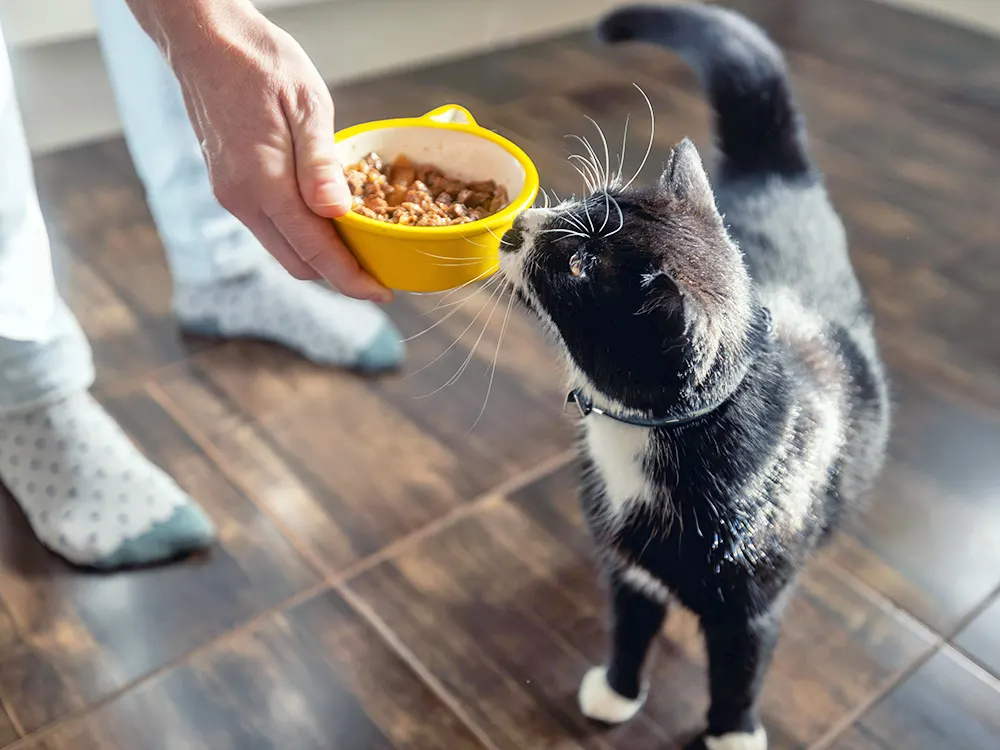
Does wet cat food cause diarrhea?
We love to spoil our cats with the best life has to offer, but sometimes things don’t go as planned. A conversation I’ve had with more than a few cat parents: “My cat is very food motivated and loves treats, so I thought I’d treat him to some canned food. He loved it! But then he had the runs for two days. Did I just give my cat diarrhea?”
Wet cat food can be both the cure and cause of diarrhea in cats. Many times, we recommend wet food to entice cats with a poor appetite to eat. Diarrhea in cats causes dehydration, and feeding canned food can be an easy way to help replace some of the water that they poop out.
However, any change in diet can cause a cat to have diarrhea, and some cats just don’t tolerate wet food well. Canned cat food can cause diarrhea in cats if:
The cat is not used to eating the food.
The cat overindulges and eats too much.
The cat has an allergy or intolerance to specific ingredients in the food.
The food is spoiled.
The food is contaminated.
What is wet cat food made of?
Commercial wet food often comes in a can, pouch, or tray. Cats are obligate carnivores, which means they need to eat animal protein to survive. Wet cat food is made of a combination of animal protein, fiber, carbohydrates, fats, vitamins and minerals. Jelly, gravy, or other flavor enhancers may be added. These ingredients are ground up and mixed in proper proportions. The mixture is packaged, sealed, cooked, and cooled.
Water aids the mixing process and helps give wet food its texture. Some wet foods have more water than others; for example, canned cat food tends to have more water than food that comes in a pouch. Wet cat food has significantly more water than dry kibble, which can be a great benefit for finicky drinkers or cats with conditions where water intake can impact their health, like chronic kidney disease or lower urinary tract disease.
What to look for when choosing wet cat food
If you want to offer your kitty wet food (or any food), make sure it meets these criteria:
It’s life-stage appropriate: Kittens have different nutritional requirements that adult and senior cats. Eating a food for the wrong life stage can lead to nutritional imbalance and GI upset.
It has an AAFCO statement: The Association of American Feed Control Officials (AAFCO) is an organization that sets minimum nutritional standards for pet food. Any wet cat food you choose should have an AAFCO statement saying that the food is “balanced” and “complete” for your cat’s life stage.
Your cat eats it: Some cats hate the smell and texture of wet food, while others act like they just hit the culinary jackpot. If your cat hates it, don’t force the issue unless it’s medically necessary. Introducing kittens to an assortment of food textures when they transition from milk to solid food can help make them more open to variety.
Your cat tolerates it: If your cat gets the squirts every time they eat wet food, that may not be the right food for them. They may not tolerate a specific ingredient in their diet.
What causes diarrhea in cats?
Diarrhea can range from loose to watery stool, but one thing remains constant — cat diarrhea causes cat parents to dread litter box duty while looking for the cause and a quick solution. Causes of diarrhea in cats include:
Intestinal parasites
Intestinal worms can cause diarrhea, vomiting, poor coat quality, and poor body condition in cats. Deworming is an important part of kitten care, and the practice should continue into a cat’s adulthood. Even indoor cats are susceptible to intestinal parasites and can be exposed through fleas, other pets, eating infected raw meat, and gunk you track inside on your shoes.
Inflammatory bowel disease
Inflammatory bowel disease (IBD) is a condition in which a cat’s intestinal walls are chronically inflamed and irritated, leading to recurrent vomiting, diarrhea, and decreased appetite. Cats with IBD are often managed with a combination of medication and diet. Many cats go through food trials to determine the best cat food for their sensitive stomach. Diets that are easily digested are preferred, and they may come in dry or wet formulation.
Food allergies
Cats with food allergies have an immune response to specific proteins in their diet. Common culprits are animal proteins like beef and fish. Symptoms of food allergies in cats are normally limited to the skin and involve redness and itchiness; however, cats can develop vomiting and diarrhea when they’re allergic to their food as well.
Food intolerance
Unlike a food allergy, a food intolerance does not involve the immune system, but rather an unpleasant response when eating certain foods. It’s possible for some cats to simply not tolerate wet food well. For example, many cats are lactose intolerant, so those cute little saucers of milk people like to give in the movies are really just a recipe for diarrhea in real life.
Dietary indiscretion
We like to think of cats as graceful, discerning creatures, but the truth is that some cats will eat things they shouldn’t. Dietary indiscretion in cats can cause diarrhea, and common culprits include non-food items, plants, bugs, human foods, and the foods of other pets.
Diet change
A sudden change in diet can result in temporary loose stool, even if switching from one high-quality cat food to another. If a cat’s diet is abruptly changed to wet food, a bout of diarrhea is not surprising. That’s why we recommend transitioning to a new diet slowly unless there’s a medical reason for a rapid switch.